

T-Level in Digital Software Development
Application options
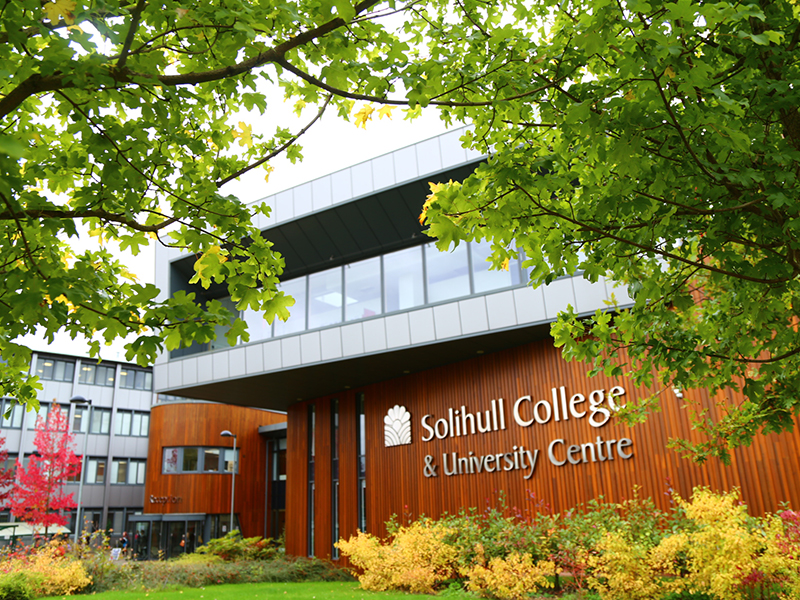
Blossomfield Campus
Sept-2027
Various
Various
N/A
Full Time
Where will this course lead?
When students complete a T-Level study programme, students are able to choose between moving into a skilled occupation or further study, such as higher or degree apprenticeship, higher level technical study and university.

What will I study?
T-Levels are new, two-year, technical study programmes, designed with employers to give young people the skills that industry needs. T Levels will provide a mixture of:
-
Technical knowledge and skills specific to their chosen industry or occupation
-
An industry placement of 315 hours in the relevant industry or occupation
-
Relevant maths, English and digital skills
This particular course focuses heavily on programming and software development and it's uses in a variety of sectors. You will cover areas such as computational thinking, Python programming, business uses of computing, data handling processing and the fundamentals of data science, emerging technologies and networking & cybersecurity.
Students must also complete a 315-hour placement.
The course is ideal if you want a career in digital software development progressing either via university or through the apprenticeship route.
Frequently asked questions
5 GCSEs at grades C/GCSE grade 5 or above including both English Language and Mathematics, plus a college interview and initial assessment.
A commitment to undertaking a 315 hour / 45 day industry placement.
For those who have undertaken substantial computing experience (e.g. GCSE Computer Science) a lower entry may be considered.
Usually first year students will spend at least 4 days a week between Monday to Friday at the College studying for T-Levels and 1 day each week at the industry placement. Some employers will want to have a block placement. In such cases, the industry placement days will be accommodated at the end of academic year and in negotiation with an employer.
-
The Core Knowledge section will be assessed as A* to E.
-
Occupational Specialism: this will be assessed as Pass, Merit, Distinction.
-
The overall grade will be calculated from the grades achieved on Core and Occupational Specialism.
-
Students who miss either of the above will receive a statement of achievement for the elements that they have completed.
The T-level will have the following elements for assessment:
You will be assessed via two exams in the first year along with a controlled assessment done in exam conditions replicating a business project.
In the second year you will complete a longer assessed project called the Occupational Specialism. These are all externally assessed via Pearson.
The combination of the two together will form your overall grade - Pass, Merit, Distinction, Distinction*- a D* is equivalent to Three A*s at A Level.
-
Successful completion of industry placement?hours (315) is already required to pass the course.
You can get a place on the course by completing an application form or applying on line for an interview. Applicants are invited for an interview with a member of the School of Computing.
When students complete a T-Level study programme, students are able to choose between moving into a skilled occupation or further study, such as higher or degree apprenticeship, higher level technical study and university.
T-levels are designed and intended to provide the knowledge and experience needed to enter into skilled employment, further study at higher educational level or a higher apprenticeship.
You will need pens and or pencils and it is highly recommended you have access to a computer at home capable of running Python 3.
The course is recognised by industry and higher education and carries UCAS points.
WHAT IS THE DIFFERENCE BETWEEN A T LEVEL AND AN APPRENTICESHIP?
T Levels will include about 20% of the time being spent on a work placement, with 80